We manage the technical planning process for gaseous fire suppression systems, from on-site survey through project design.
Service Overview
Proper planning of gaseous fire suppression systems requires the protected volume, intended use and fire risks to be evaluated together. Tinsagaz conducts on-site surveys before project development to determine the technical requirements of the system.
After a site survey, the volume, intended use, and risks of the area to be protected are reviewed. The selection of the extinguishing agent and system layout are assessed according to project requirements. Necessary calculations and design work are planned for each project with reference to relevant technical documentation and applicable standards.
The planning process includes an assessment of compatibility between cylinder assemblies, piping, nozzles, detection devices, and control components. Contact Tinsa Gaz for information about technical planning and the scope of services that may be available.
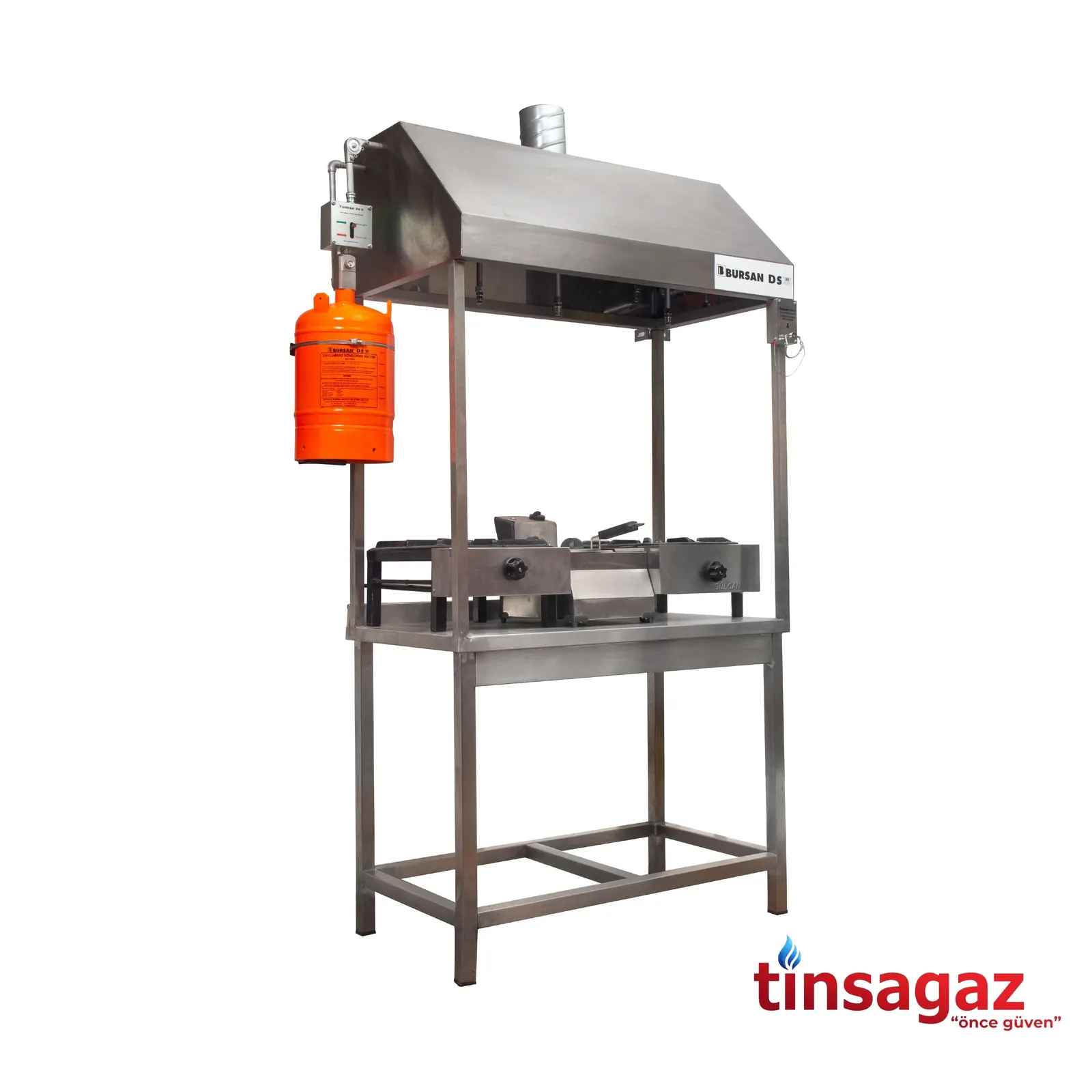
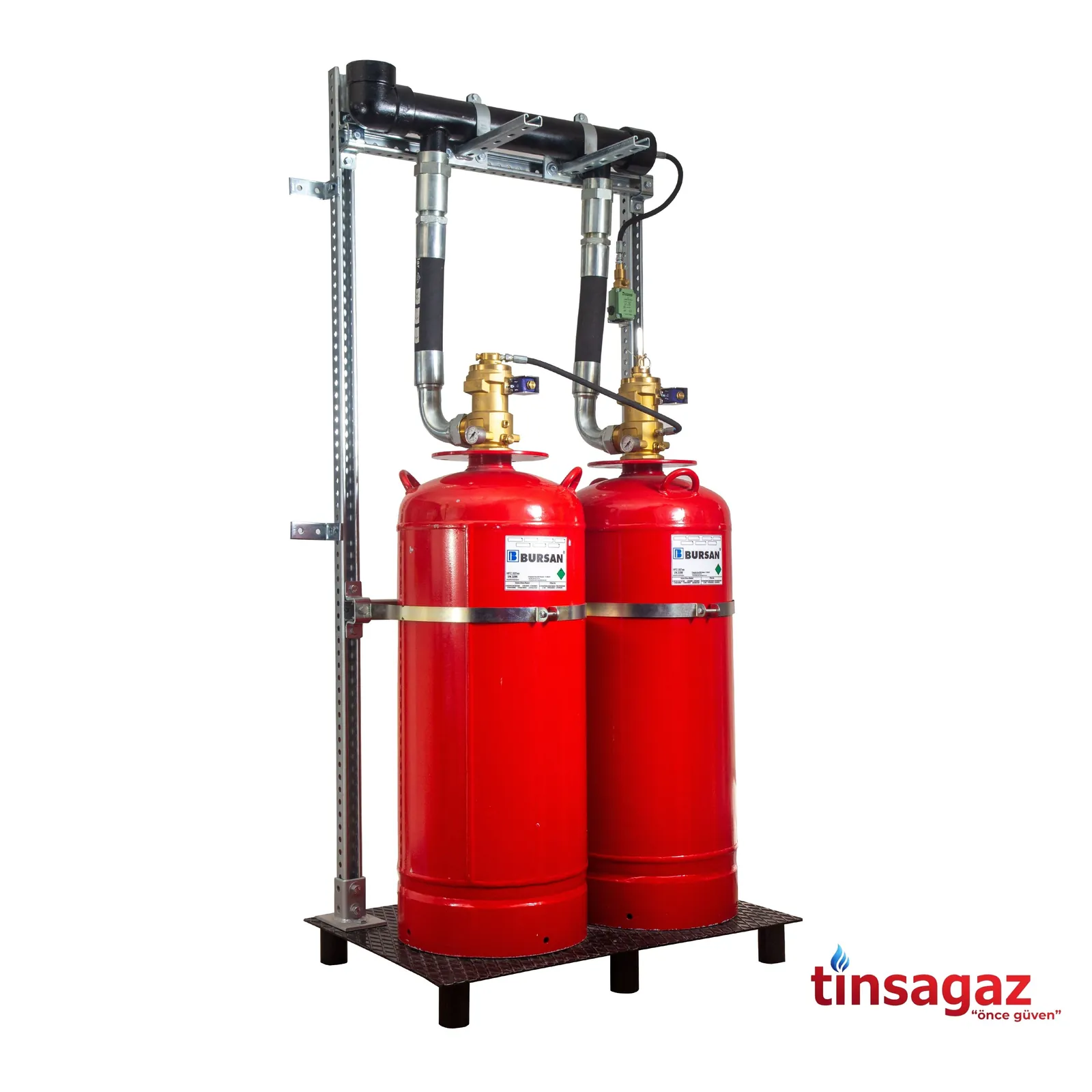
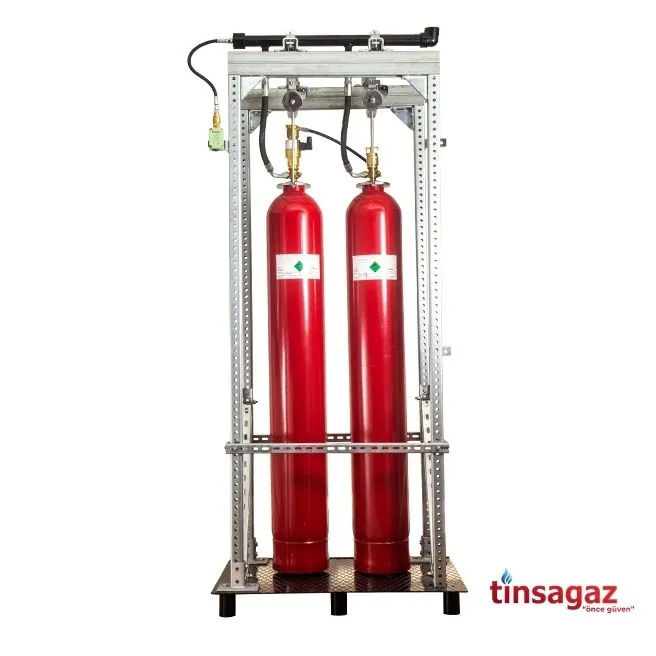
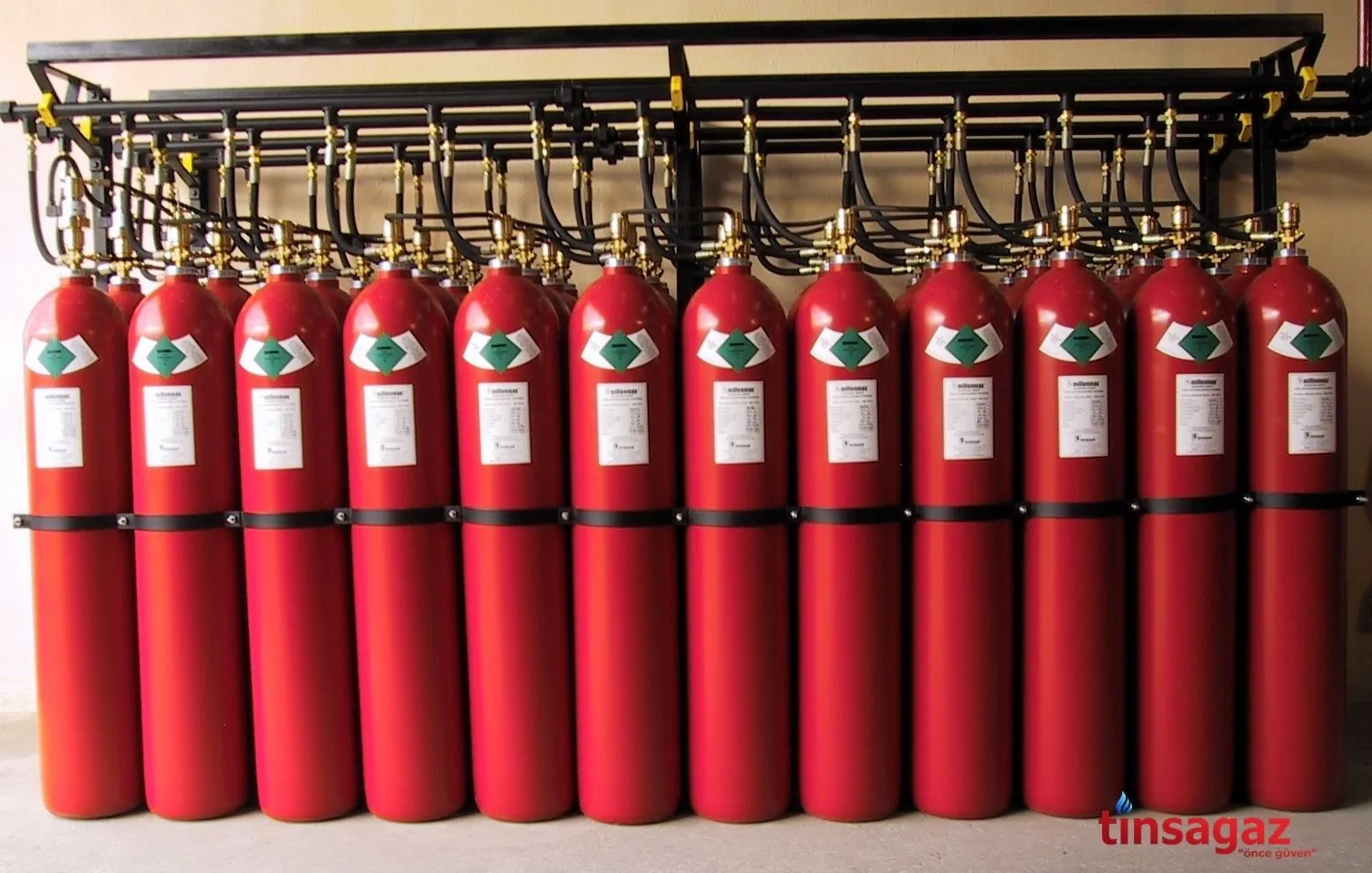
Images from Our Work
Key Features
✓On-site survey and risk analysis
✓Volume and extinguishing agent assessment
✓Project design and hydraulic calculations
✓System planning based on relevant standards
Application Areas
Electrical and panel rooms
Transformer rooms
Server and IT areas
Control and automation rooms
Archive and technical rooms
Enclosed areas where gaseous suppression is preferred
Service Process
1. On-Site Survey
The dimensions, intended use, openings and existing technical infrastructure of the protected area are reviewed.
2. Risk and System Analysis
Fire risks, volume characteristics and application conditions are evaluated to determine the appropriate system approach.
3. Project Design
The extinguishing agent, equipment layout, piping and required hydraulic calculations are prepared within the project scope.
4. Technical Planning
The project scope and system components are finalized to complete the technical basis for quotation and implementation.
Occupational Safety
The design of gaseous fire suppression systems must consider volume characteristics, openings, personnel occupancy and the technical requirements of the selected extinguishing agent. System design and implementation must be carried out in accordance with applicable standards and occupational safety requirements.